- Kumbie Madondo, PhD
- November 20, 2025
- Blog
- 0 Comments
Building Healthier Communities Together
Health is not just about access to doctors or hospitals. It is about where we live, work, learn, and play. Addressing health disparities requires strong, trusted partnerships between organizations that understand their communities best.
When schools, health care providers, community centers, tenant associations, insurers, and city agencies come together, they can tackle the root causes of inequities from housing and education to safety and social connection. These partnerships build the foundation for healthier, more resilient neighborhoods.
“Real change happens when communities come together and stay connected.”
[Representative from a local hospital in the Bronx, New York City]
Measuring Collaboration with Evidence Based Tools
Partnerships are powerful, but how do we know if they are truly working? Evidence based methods like Social Network Analysis (SNA) help answer that question.
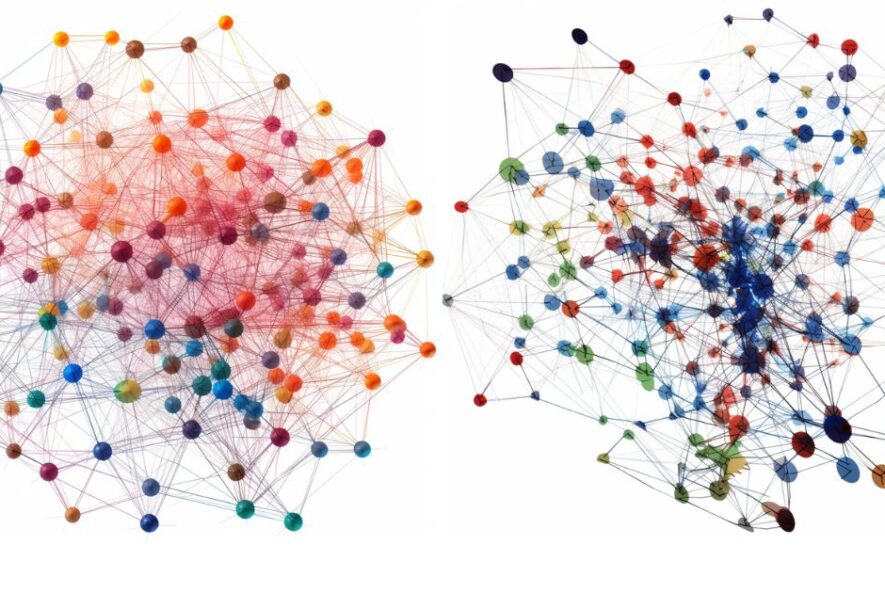
SNA allows organizations to visualize and measure how they share information, make referrals, and collaborate. By mapping relationships, communities can identify strengths, gaps, and opportunities to grow their impact. It turns the idea of working together into something that can be seen, measured, and improved.
Putting Partnership into Practice
A great example of this approach comes from the Claremont Healthy Village Initiative (CHVI) in the Bronx, launched in 2012 to promote health equity through community collaboration.
Using a Community Based Participatory Research (CBPR) model, CHVI partners including local schools, health providers, resident leaders, and city agencies worked with researchers to analyze their network using SNA.
The study found that:
- Connections between partners increased significantly between 2017 and 2018.
- Referrals between organizations showed the largest growth, strengthening service coordination.
- Trust was highest among organizations with a strong local presence.
These results show that when community organizations intentionally collaborate and use data to track progress, their collective efforts can grow stronger over time.
Read the full study here: https://pubmed.ncbi.nlm.nih.gov/36533501/